
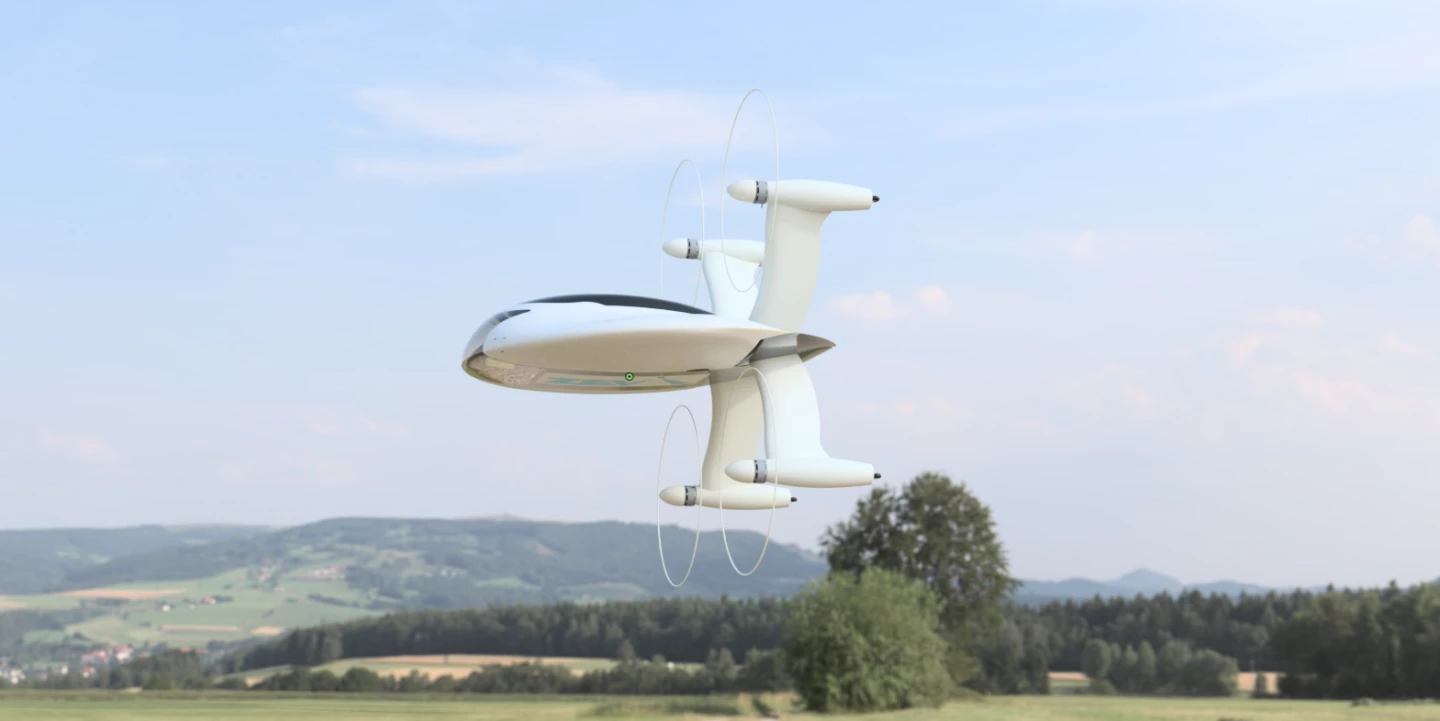
Aircraft design has always been a blend of innovation, necessity, and experimentation. From open-cockpit biplanes to futuristic flying taxis, aviation continues to evolve. One of the most intriguing—yet rarely implemented—design concepts in aviation history is the prone position aircraft, where the pilot flies lying down instead of sitting upright.
Now, thanks to advancements in electric vertical takeoff and landing (eVTOL) technology, this once-forgotten concept is being reimagined for the modern era.
A Brief History of the Prone Position in Aviation
The concept of flying in a prone position dates back to the early 20th century. The idea was simple yet innovative: by positioning the pilot horizontally, aircraft could become more aerodynamic, and pilots could better withstand high G-forces during extreme maneuvers.
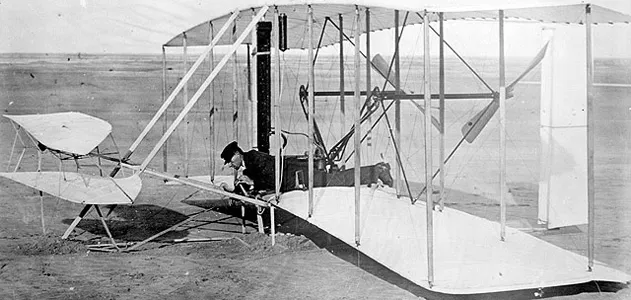
Interestingly, the Wright Flyer, the world’s first powered aircraft, was flown in a prone position. During World War II, both British and German engineers explored the idea more seriously:
- Gloster Meteor F8 and its experimental version, the Gloster Meteor Prone Pilot, tested the limits of pilot G-force tolerance.
- Germany’s Horten H.IV and the mythical Horten G229 flying wing aircraft also experimented with prone layouts.
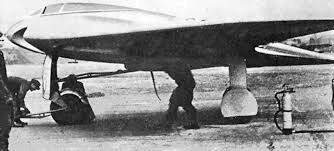
While promising in theory, these designs faded due to practical limitations and the dominance of seated cockpit layouts. But today, electric propulsion has opened the door to revisiting this radical idea.
Why Electric Propulsion Changes Everything
Traditional engines made some aircraft designs impractical due to complexity and weight. Electric motors, however, are:
- Lightweight
- High in torque density
- Easily distributed
This means co-axial propellers, once difficult due to complex gearing, are now feasible. Each propeller can be powered by its own motor. This allows distributed propulsion systems, enabling new aircraft shapes and control methods—including the tail-sitting prone position aircraft.
NASA’s Puffin: The Prone eVTOL That Sparked Renewed Interest
In 2009, NASA unveiled a concept called the Puffin, a twin-rotor all-electric personal eVTOL aircraft. It was the first modern look at how electric propulsion could support a prone pilot layout.
- Speed: Up to 150 mph (241 km/h)
- Range: Under 50 miles (80 km) using 2010-era lithium-iron-phosphate batteries
- Design: 13.5-foot wingspan, 12 feet tall when vertical
Although it remained a concept, the Puffin inspired a wave of innovation, proving that prone eVTOLs could offer serious performance without complex tilting mechanisms.

How Modern Prone Aircraft Work
Modern prone aircraft are often tail-sitters. The pilot boards in a standing position, and the aircraft takes off vertically like a drone. Once airborne, the aircraft tilts forward, and the pilot naturally shifts into a horizontal position, lying prone as the aircraft cruises like a fixed-wing plane.
Key Advantages:
- No tilting rotors or complex hinges
- Lower frontal profile = better aerodynamics
- Ideal for short flights or emergency response
- Combines rotor lift with wing-based gliding efficiency
Today’s Prone Position eVTOLs: Leading Designs
Zeva Z2
- Tail-sitter with bottom-mounted props
- Top speed: 160 mph (257 km/h)
- Range: Over 50 miles (80 km)
- Battery: 35-kWh pack
- Flight time: 2-minute hover + 20-minute cruise
- Design: Sleek and compact, no tilt-rotor mechanisms
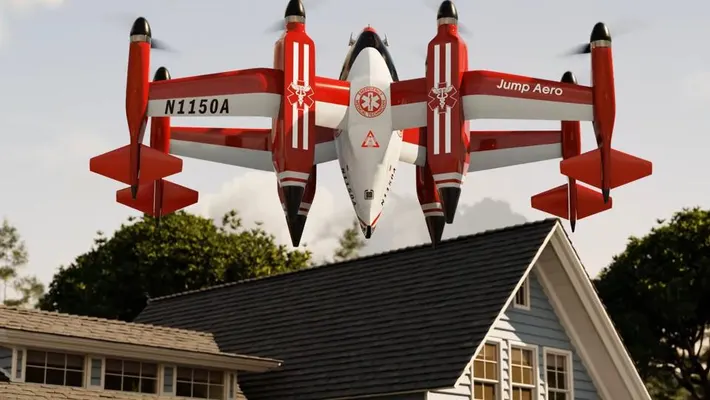
Jump Aero JA1
- Biplane-style standing tail-sitter
- Designed for: First responders
- Range: 50 km in under 10 minutes
- Payload: 150 kg (1 paramedic + equipment)
- Battery: 8 independent 11-kWh modules, cross-linkable
VertiLectric Volpire GF
- X-tail biplane tail-sitter
- Propellers: 4 five-blade units with bent tips
- Purpose: Personal transport
- Noise-reduction & safety: Bent tips minimize blade strike hazards
- Pilot fit: Accommodates up to 185 cm height
The Role of Prone eVTOLs in the Future of Flight
Prone position aircraft are not designed for long-distance travel or commercial airliners. But for short-range missions, emergency response, or personal flying, their simplicity and aerodynamic efficiency make them an exciting option.
By eliminating the need for tilting mechanisms, they reduce mechanical complexity while taking full advantage of electric propulsion’s distributed power capabilities.
Final Thoughts
The prone position aircraft concept may have started as a niche experiment in the early days of flight, but in today’s world of high-efficiency electric motors and innovative aircraft architectures, it’s enjoying a surprising renaissance.
With companies like Zeva, Jump Aero, and VertiLectric pushing the boundaries, the future of flight might just include pilots laying down on the job—and flying faster and more efficiently than ever before.